My dad messed around with old processors and made his own boards. You just reminded me of that, and then…
Then I remembered that he dumped the chems into the toilet.
But he made some cool stuff! Might have given the neighborhood cancer, though.
jaspervers on
Which one to buy ?
Top-Gear2538 on
And?? If it doesn’t work I return it to Amazon. For private applications I doubt anyone will have an issue unless its truly broken.
For higher end stuff get the better one with actual traceable certificates not the ‘China certified trust me’ from Aliexpress
School_North on
So just a bunch of pictures no context shit post not interesting at all
dd0626 on
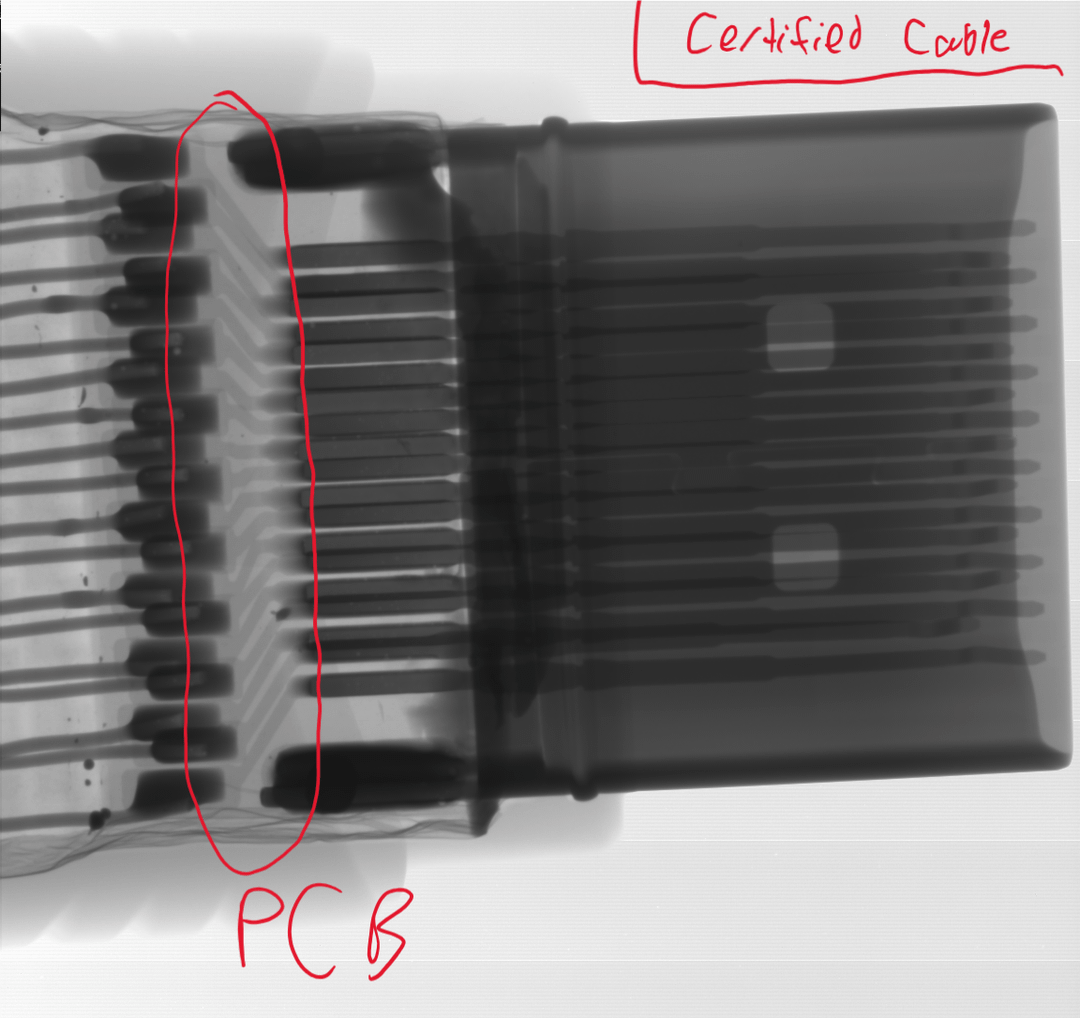
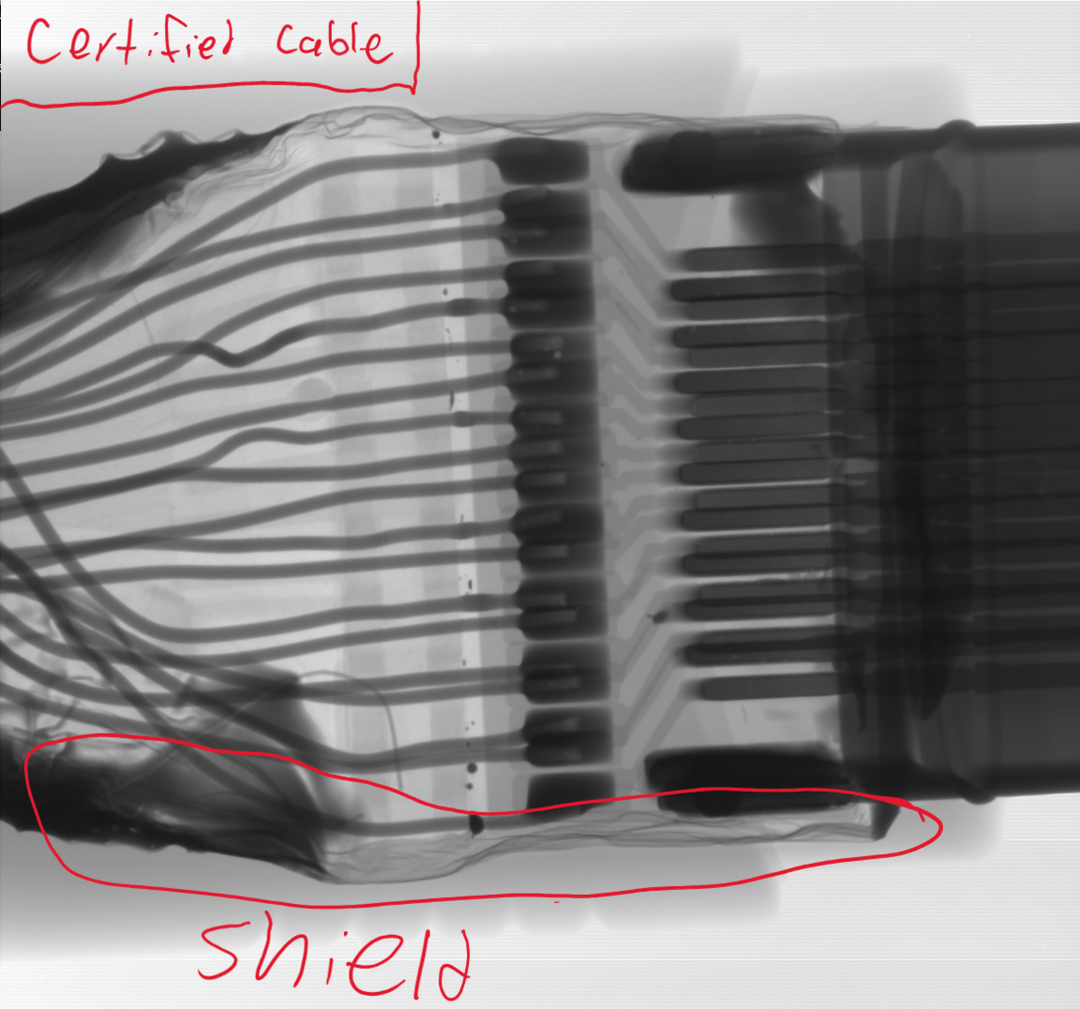
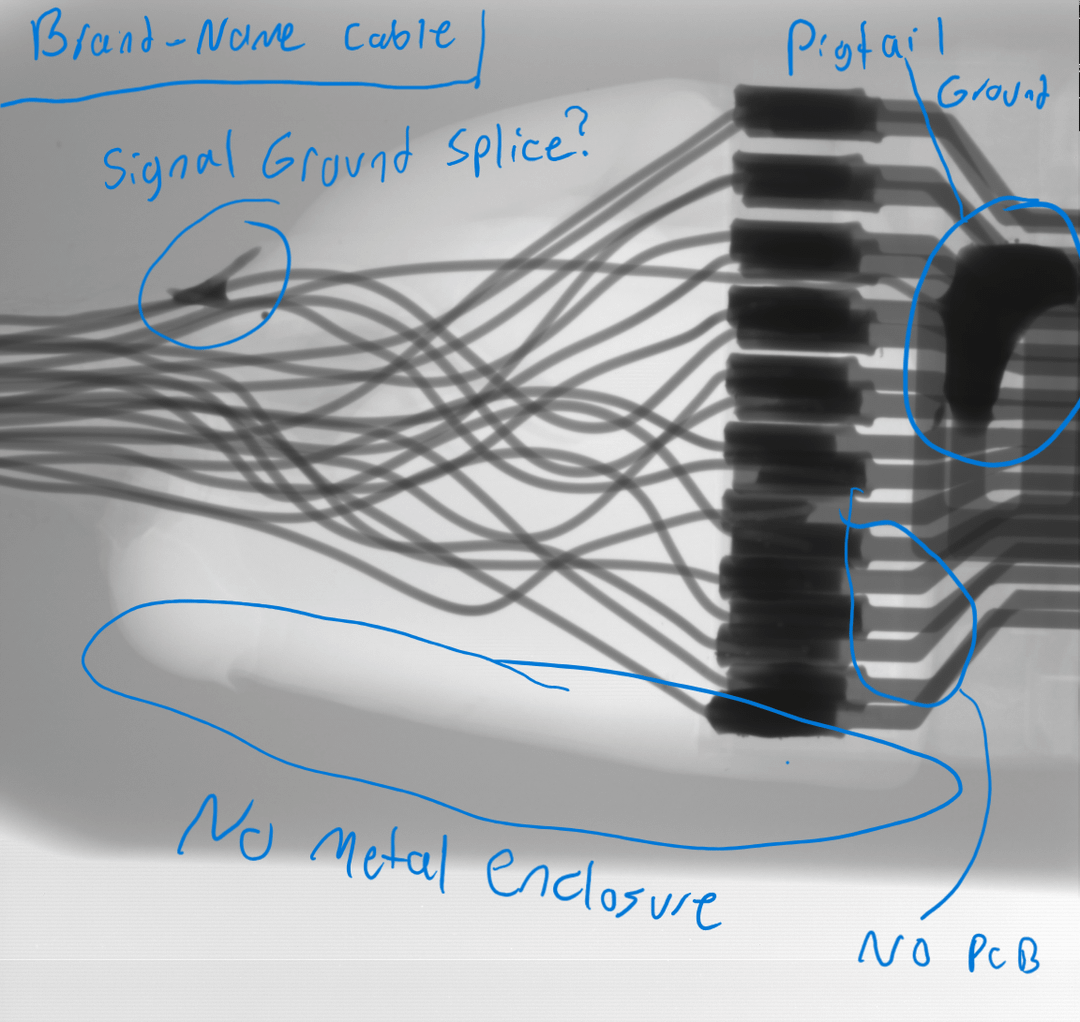
For work I was comparing the RF emissions performance of two different HDMI cables and one brand name cable had 20dB higher emissions than a certified cable. I was able to get X-rays of both cable connectors today to try and understand why there was such a difference. I also have a third cable that will be tested which appears to fall between the other two in terms of construction. This wasn’t a task I expected to be doing, but it has been an interesting exploration of the differences between cables both from functional EMC and construction perspectives. In the case of the non-certified brand name cable here, its performance is so bad that we wouldn’t be able to sell a device using it, and it is only a 1’ cable that is already inside the metal enclosure that makes up the device (including RF shields over large openings). Our device is limited to 1080p30 but I would love to see how much worse things get at with the brand name cable at higher data rates.
Certified Cable:
* The signal wires are soldered to a PCB which breaks out into the connector pins. This is a more robust connection and easier to maintain impedance control for the differential pairs (though at this small size it probably doesn’t matter).
* There appears to be a foil(?) shield around the whole connector that has a 360 degree termination around the metal HDMI connector shell.
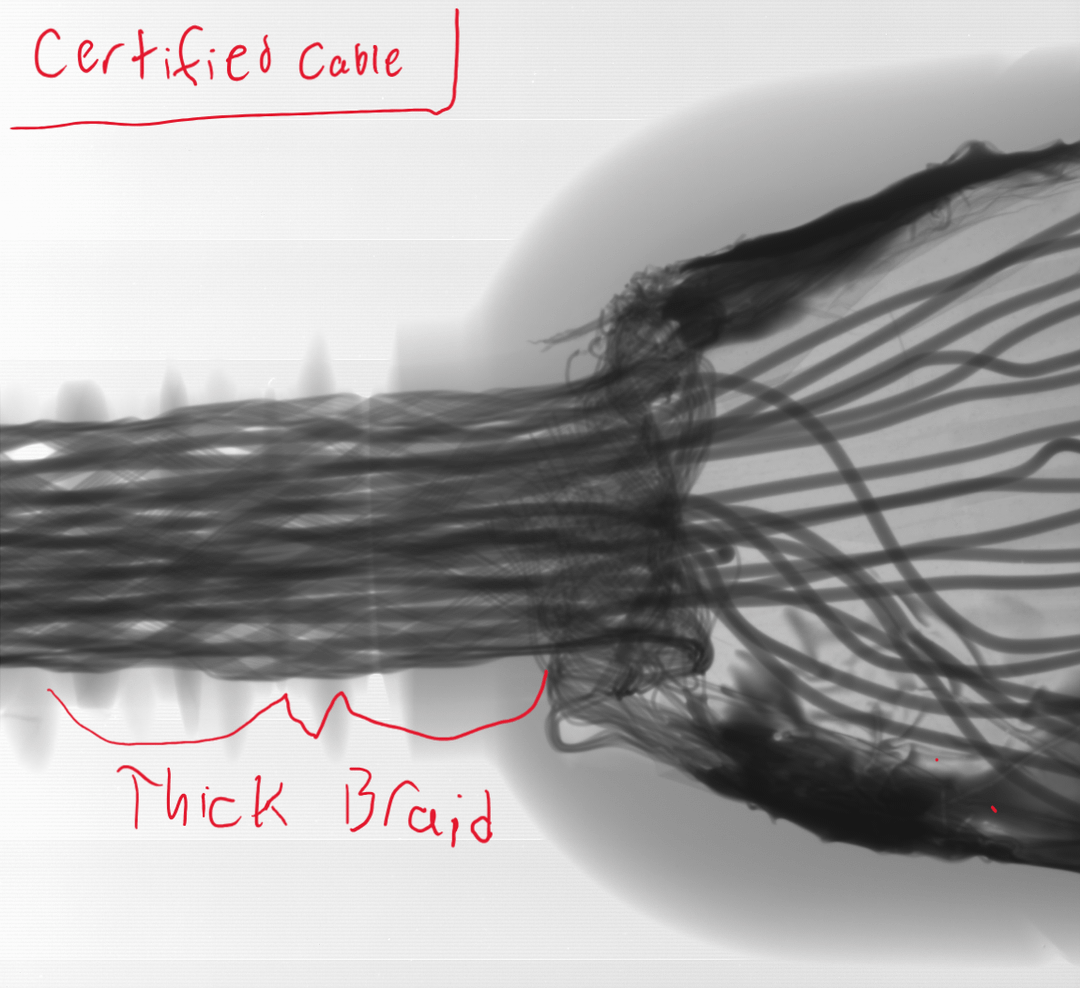
* The cable has a heavy braided shield. I’m also curious if it has a foil shield in there but I suspect it does. I may tear one down in the future but that can’t happen right now.
* The braided shield appears to be contiguous with the connector shield. It’s hard to tell what exactly is happening here and I might be able to get Micro CT scans in January.
Brand Name Cable:
* The signal wires terminated directly at the connector pins, not a PCB. Not sure if these are solder cups or welds.
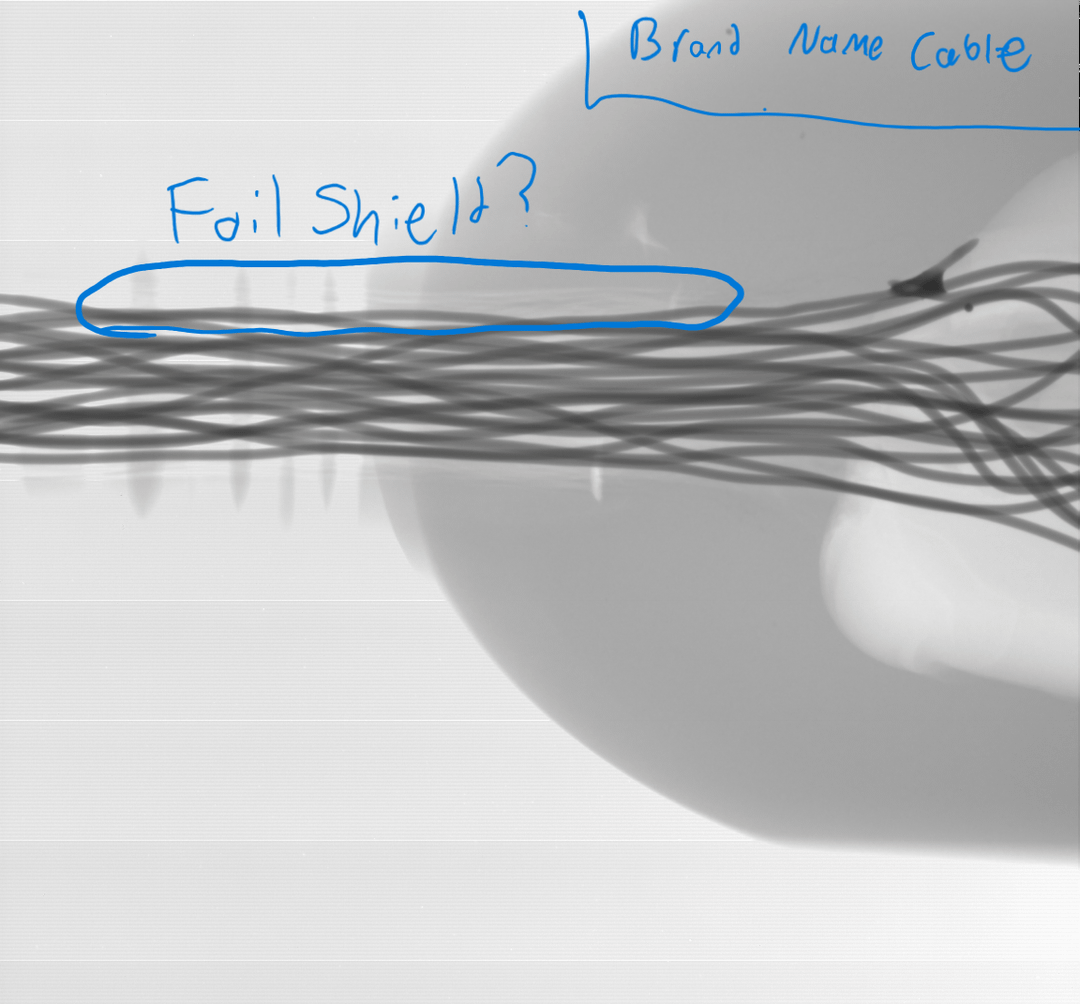
* The cable looks like it has a very thin foil shield, but it’s hard to tell.
* The metal HDMI connector shell is only attached to the foil shield (presuming it’s there) by a splice and a very fine wire with a solder attachment. This is an extra-bad attempt at pigtailing and probably the cause of all the emissions.
* The connector body has no metal enclosure surrounding the signal wires or other shielding wrap.
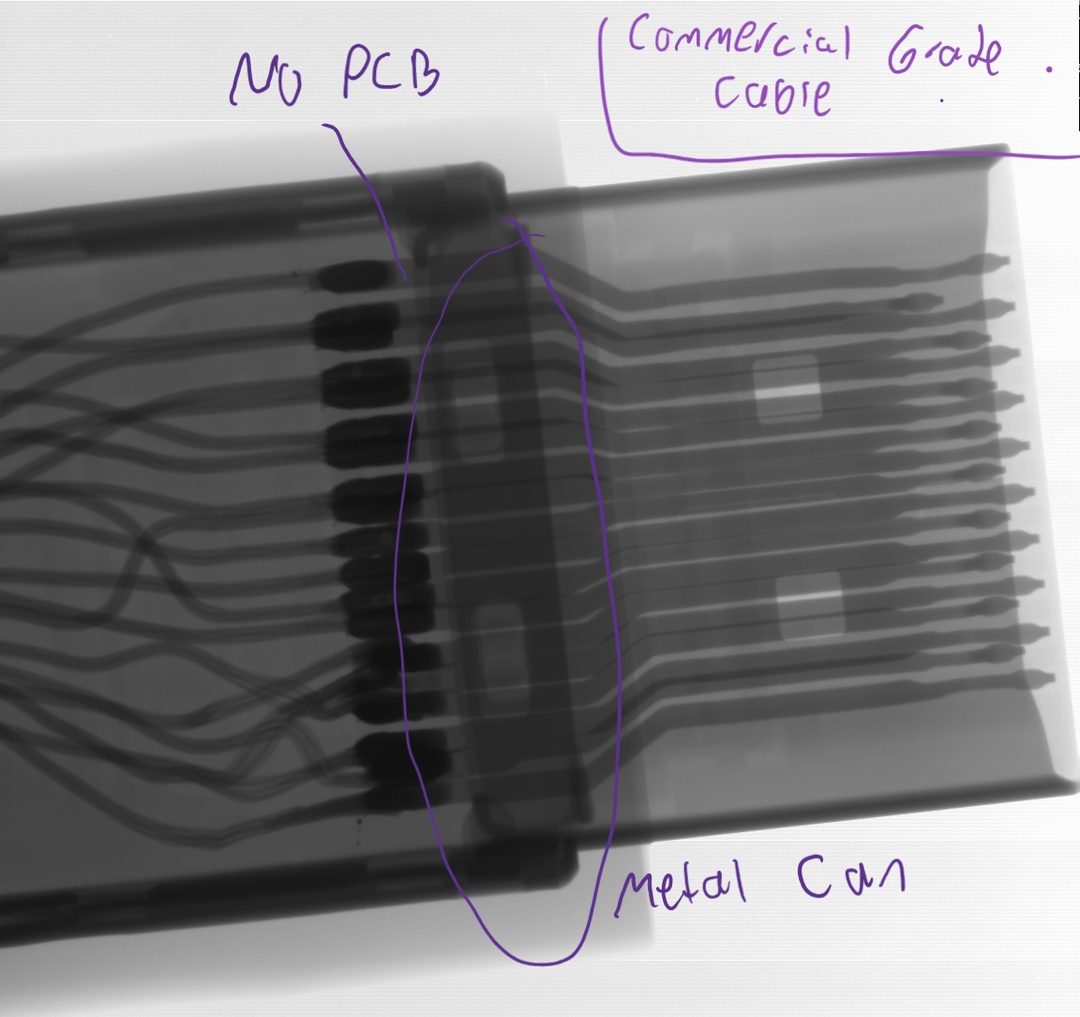
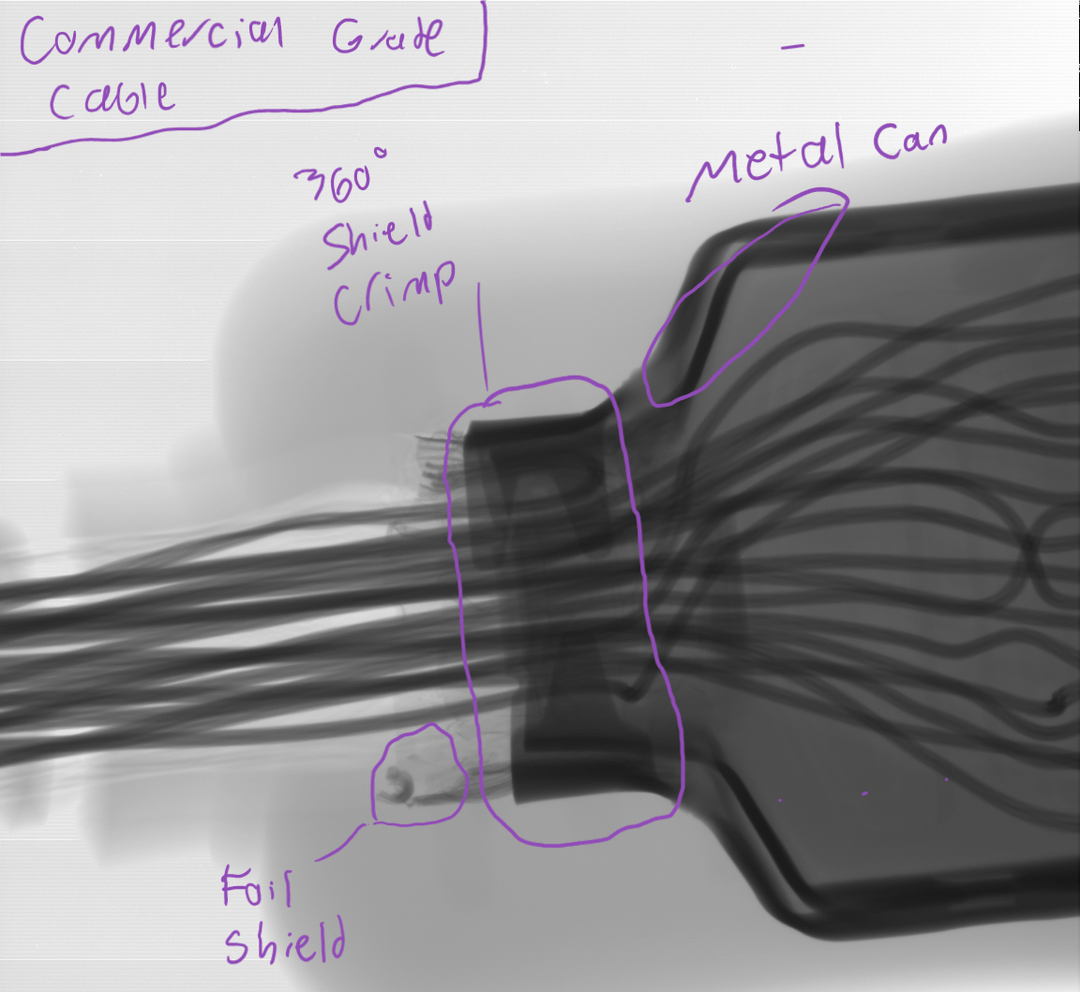
New Commercial Grade Brand Name Cable. I have not tested this one yet but expect its RF emissions to be between the other two cables:
* The signal wires terminated directly at the connector pins, not a PCB. Not sure if these are solder cups or welds.
* There is either a foil or very thin braided shield around the cable
* The connector body houses a metal enclosure that has a (nearly) 360 degree crimp around the cable shield. This enclosure acts as a faraday cage if properly implemented. It appears to go from the cable all the way to where the pins escape the body.
fun_machine_ on

Ewggggg on
So what are you trying to sell and why should we care in a wireless world
westmountred on
No mention of picture quality, which is what it is actually there for. I am sure this was an interesting thing to look into, but does this all make a difference is the real question.
NoImNotHeretoArgue on
Did you x ray these cables? 😅. Still interesting tho 👍
[deleted] on
[deleted]
weinermcgee on
So the Best Buy guy was right and we should have sprang for the Monster cables all along.
pm_me_yo_creditscore on

Guide to high quality cable
ZealousidealTrip6900 on
I just bought a HDMI cable. I was checking for this. Its not much more, the problem is finding a truly certified one.
Andrew-Moon on
It’s a digital signal, it works or it doesn’t. But yeah, avoid buying the cheapest cables, those aren’t very durable anyway
SaintsNoah14 on
I can’t not see this as having come from a doctor.
pravardhan85 on
Thank you for X-Raying the cables.
Please do mention the brand names if possible.
AliceinChainsRules on
They all look like they were haphazardly manufactured. The first one was the only one that looked like it’d last longer than ten minutes.
0elk4nn3 on
Can u Do more oft this interesting things? Please?

21 Comments
Neat
What should we be taking away from this?
My dad messed around with old processors and made his own boards. You just reminded me of that, and then…
Then I remembered that he dumped the chems into the toilet.
But he made some cool stuff! Might have given the neighborhood cancer, though.
Which one to buy ?
And?? If it doesn’t work I return it to Amazon. For private applications I doubt anyone will have an issue unless its truly broken.
For higher end stuff get the better one with actual traceable certificates not the ‘China certified trust me’ from Aliexpress
So just a bunch of pictures no context shit post not interesting at all
For work I was comparing the RF emissions performance of two different HDMI cables and one brand name cable had 20dB higher emissions than a certified cable. I was able to get X-rays of both cable connectors today to try and understand why there was such a difference. I also have a third cable that will be tested which appears to fall between the other two in terms of construction. This wasn’t a task I expected to be doing, but it has been an interesting exploration of the differences between cables both from functional EMC and construction perspectives. In the case of the non-certified brand name cable here, its performance is so bad that we wouldn’t be able to sell a device using it, and it is only a 1’ cable that is already inside the metal enclosure that makes up the device (including RF shields over large openings). Our device is limited to 1080p30 but I would love to see how much worse things get at with the brand name cable at higher data rates.
Certified Cable:
* The signal wires are soldered to a PCB which breaks out into the connector pins. This is a more robust connection and easier to maintain impedance control for the differential pairs (though at this small size it probably doesn’t matter).
* There appears to be a foil(?) shield around the whole connector that has a 360 degree termination around the metal HDMI connector shell.
* The cable has a heavy braided shield. I’m also curious if it has a foil shield in there but I suspect it does. I may tear one down in the future but that can’t happen right now.
* The braided shield appears to be contiguous with the connector shield. It’s hard to tell what exactly is happening here and I might be able to get Micro CT scans in January.
Brand Name Cable:
* The signal wires terminated directly at the connector pins, not a PCB. Not sure if these are solder cups or welds.
* The cable looks like it has a very thin foil shield, but it’s hard to tell.
* The metal HDMI connector shell is only attached to the foil shield (presuming it’s there) by a splice and a very fine wire with a solder attachment. This is an extra-bad attempt at pigtailing and probably the cause of all the emissions.
* The connector body has no metal enclosure surrounding the signal wires or other shielding wrap.
New Commercial Grade Brand Name Cable. I have not tested this one yet but expect its RF emissions to be between the other two cables:
* The signal wires terminated directly at the connector pins, not a PCB. Not sure if these are solder cups or welds.
* There is either a foil or very thin braided shield around the cable
* The connector body houses a metal enclosure that has a (nearly) 360 degree crimp around the cable shield. This enclosure acts as a faraday cage if properly implemented. It appears to go from the cable all the way to where the pins escape the body.

So what are you trying to sell and why should we care in a wireless world
No mention of picture quality, which is what it is actually there for. I am sure this was an interesting thing to look into, but does this all make a difference is the real question.
Did you x ray these cables? 😅. Still interesting tho 👍
[deleted]
So the Best Buy guy was right and we should have sprang for the Monster cables all along.

Guide to high quality cable
I just bought a HDMI cable. I was checking for this. Its not much more, the problem is finding a truly certified one.
It’s a digital signal, it works or it doesn’t. But yeah, avoid buying the cheapest cables, those aren’t very durable anyway
I can’t not see this as having come from a doctor.
Thank you for X-Raying the cables.
Please do mention the brand names if possible.
They all look like they were haphazardly manufactured. The first one was the only one that looked like it’d last longer than ten minutes.
Can u Do more oft this interesting things? Please?
What the hell am I looking at, here?!